A cuisine of concentration
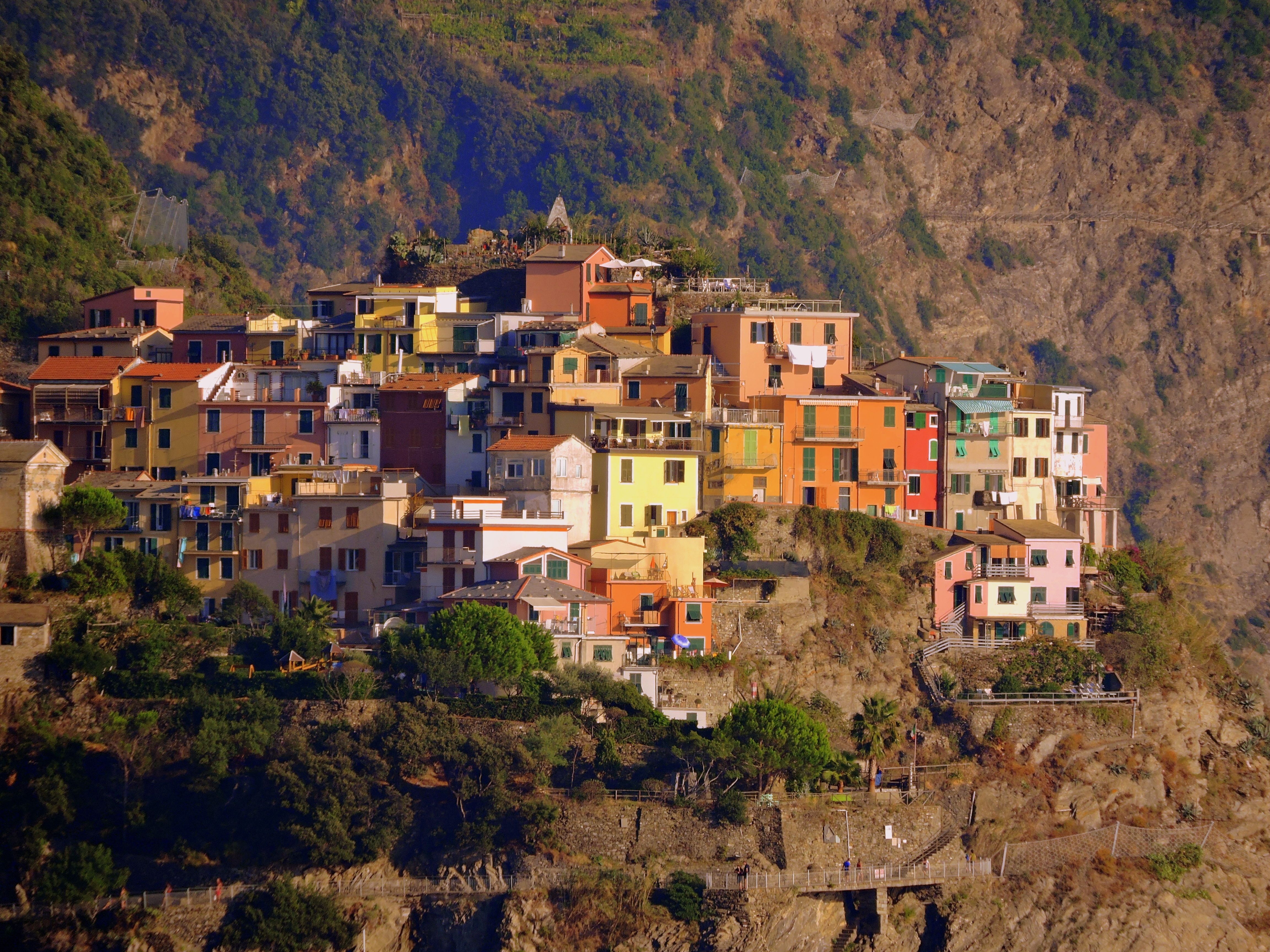
Liguria makes intense food from restrained ingredients: herbs, olive oil, fish, vegetables, bread and pasta. In the Cinque Terre that economy meets a territory with almost no level agricultural land. The result is not a collection of tourist dishes. It is an edible map of sea, gardens and terraces.
Monterosso anchovies
Anchovies are one of the clearest links to the working sea. They appear fried, marinated, salted or served with very little decoration. Slow Food records the continuing lampara tradition in Monterosso: fishing at night with light, small boats and proportionate nets. Historically, salting the catch was part of a shared shore-based economy.
Ask where the fish comes from and how it was prepared. A short conversation often tells you more than a menu adjective.
Pesto, correctly understood
Pesto belongs to Liguria as a whole, not specifically to the five villages. A balanced version should taste of basil, olive oil, pine nuts, cheese and garlic without becoming a heavy blanket. It may arrive with trofie, trenette or another local pasta shape, sometimes with potato and green beans.
Focaccia and vegetable pies
Focaccia works at breakfast, as a beach snack or as the simplest possible lunch. Vegetable pies and stuffed preparations reveal the inland side of Ligurian cooking: herbs and garden produce made substantial through pastry, rice, egg or cheese.
The best food day does not need three restaurant bookings. Combine a bakery, a simple lunch and one considered dinner.
Cinque Terre DOC and Sciacchetrà
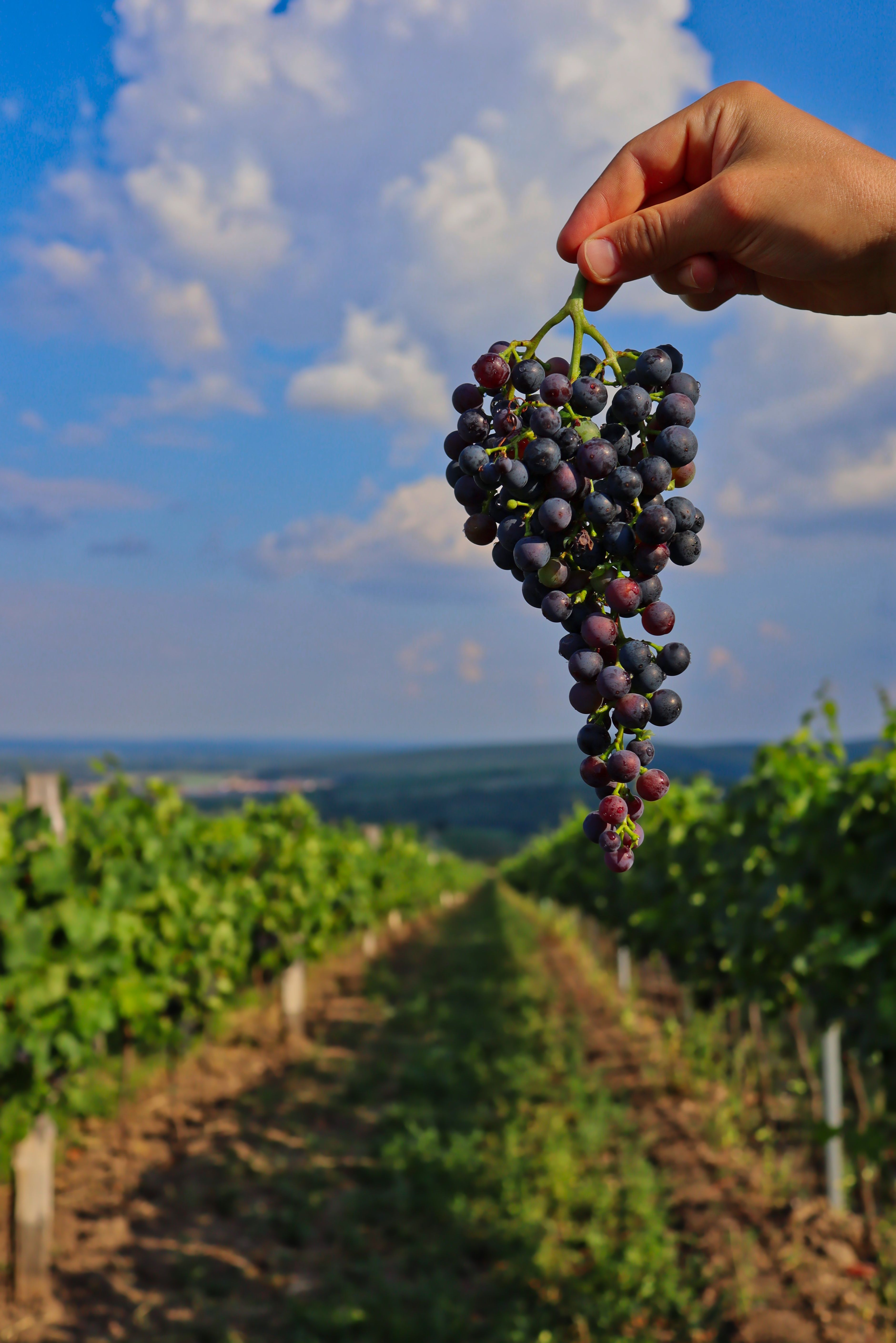
The dry local white reflects Bosco, Albarola and Vermentino grapes and traditionally accompanies fish. Sciacchetrà is the celebrated passito: grapes are dried in a ventilated, shaded environment before pressing, producing a small yield. That labour and concentration help explain the price.
A tasting becomes more meaningful when you ask who maintains the walls, how grapes are carried and what happens after harvest. Wine here is also landscape maintenance.
Choosing a table
Prefer a focused menu over an encyclopaedic one. Look for seasonality, ask about origin and reserve dinner in small villages. Pay attention to the house wine rather than chasing only famous labels. Most importantly, do not treat local products as decorative souvenirs. Buying and eating them locally helps return value to the place you came to see.
Sources
- Slow Food, the lampara fishers of Monterosso: www.slowfood.it/cosa-facciamo/slow-fish/chi-siamo/resistenza-ittica/pescatori/beppe-martelli-italia/
- Liguria tourism, Cinque Terre DOC and Sciacchetrà: lamialiguria.it/sapori/cinque-terre-e-sciacchetra/
- UNESCO cultural landscape: whc.unesco.org/en/list/826