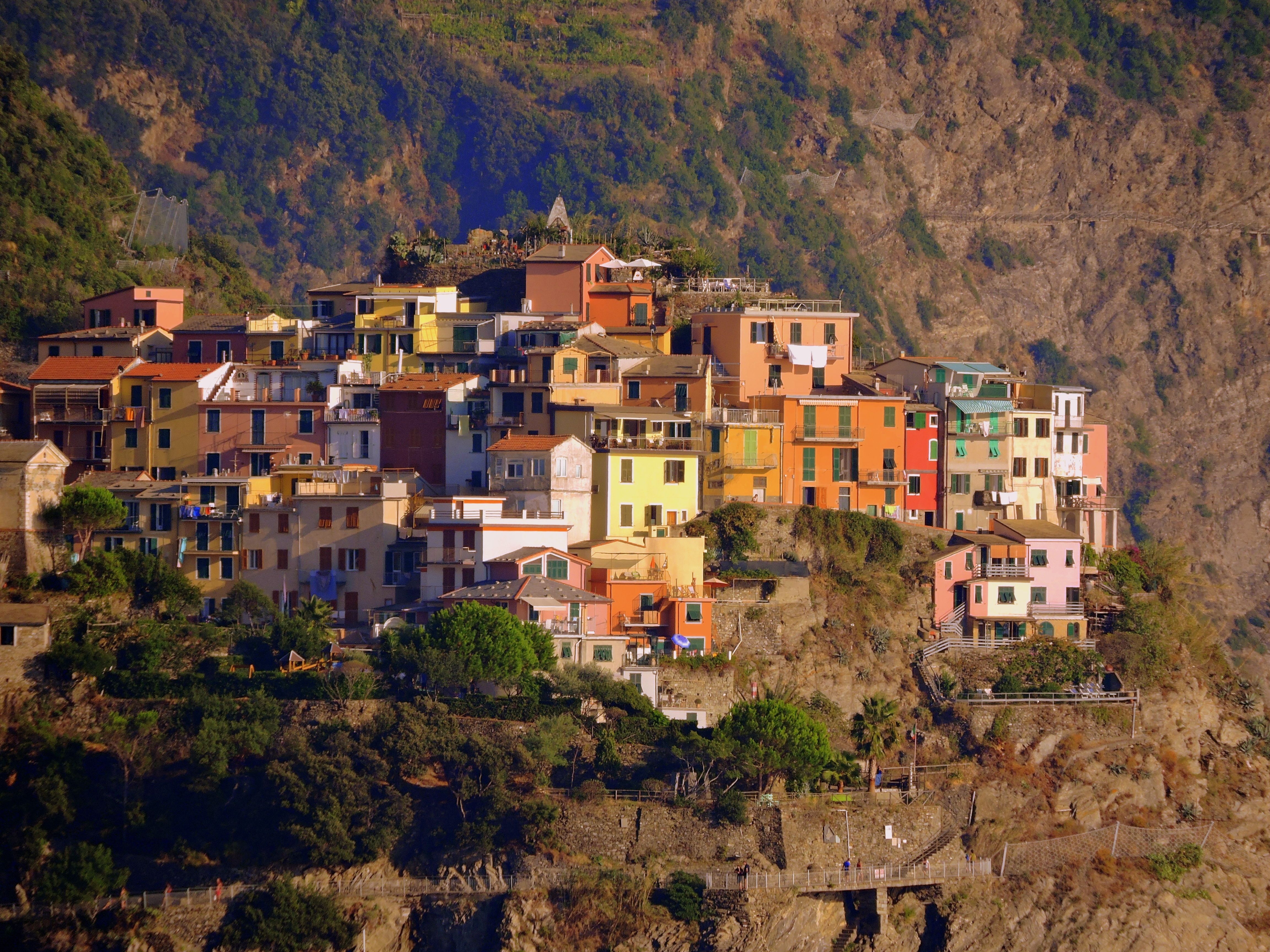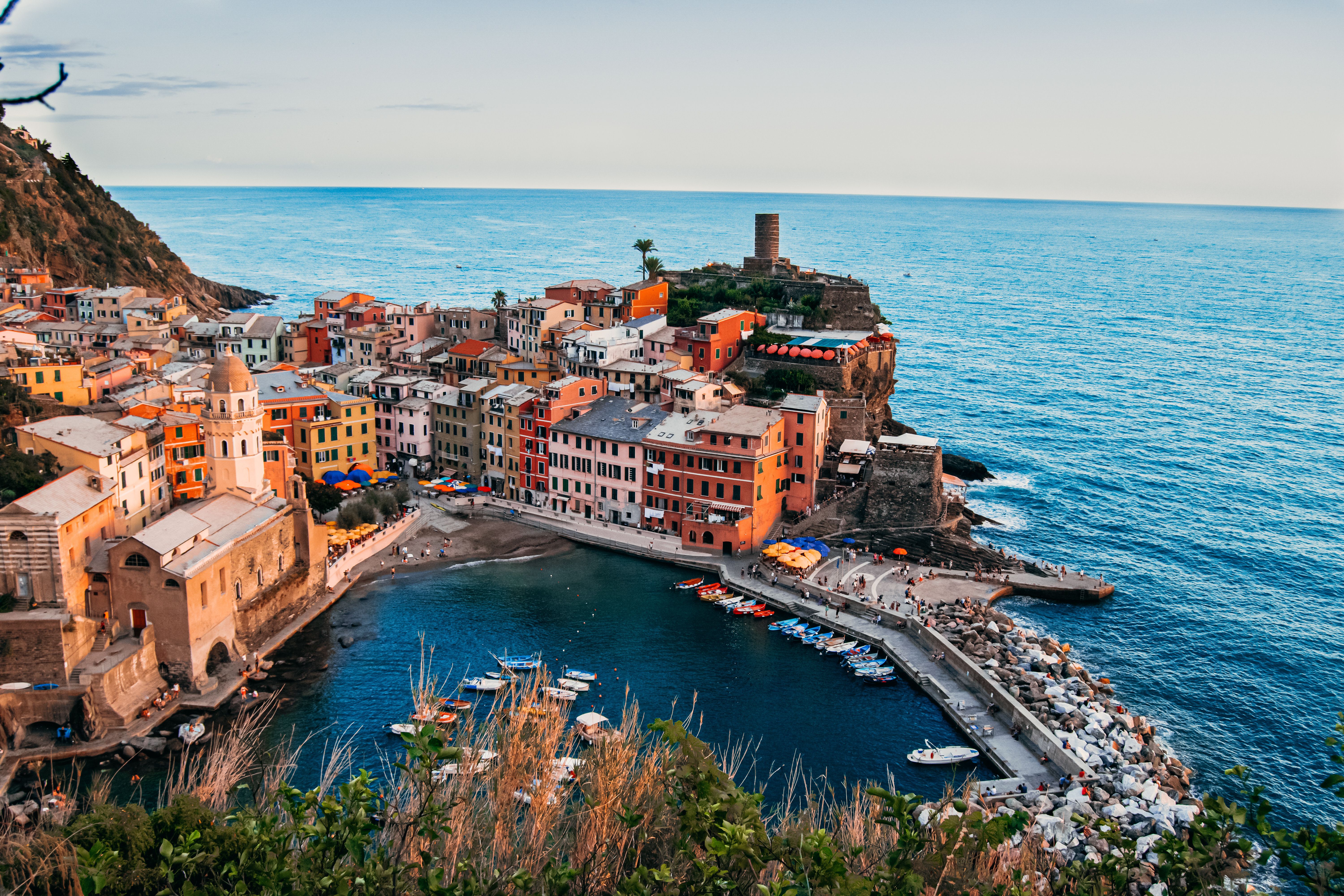
Read the ground before the panorama
The Cinque Terre trail network extends for more than 120 kilometres. These paths were not designed as scenic attractions. For centuries they connected villages, sanctuaries, vineyards, woods and cultivated terraces. That history is still visible in steep steps, narrow passages and irregular stone. Distance alone does not describe the effort.
A two-kilometre section here can demand more attention than a much longer flat walk. Heat, wet stone and two-way foot traffic change the experience quickly.
Trail status is live information
Never rely on an old blog post or saved screenshot to decide whether a path is open. The Park publishes live classifications and closures. Conditions can change after heavy rain, maintenance or a weather alert. Check the official page on the morning of the walk, then check the sky in front of you.
The celebrated Sentiero Verde Azzurro includes sections between Corniglia, Vernazza and Monterosso. Access to some sections requires a Cinque Terre Card. The Manarola–Corniglia coastal section has experienced long closures; do not assume that a line visible on an old map is walkable.
The high paths are not a casual substitute
When a coastal section is closed, travellers often hear that they can “just go above”. Routes through Volastra, sanctuaries and the ridge can be magnificent, but they are generally longer and involve more climbing. They reveal the agricultural landscape better than the shoreline paths, yet they require time, water and realistic fitness.
Choose a high route because it suits your ability and interests, not because you need to rescue an overfilled schedule.
What to carry
- Closed shoes with a reliable, grippy sole.
- Enough water for heat and delays.
- Sun protection and a light wind layer.
- An offline map or the Park’s official hiking app.
- Time in hand before darkness.
Sandals with smooth soles are a poor match for polished stone and steep steps. Never cross a closure barrier. If the weather deteriorates, turning back is good judgement.
Trail etiquette
Stop for photographs only where others can pass. Give way on narrow sections without stepping onto cultivated land. Carry rubbish out, keep dogs under control and avoid loud audio. In an emergency call 112.
The trail is part of the place, not a shortcut between photo locations. Walk slowly enough to notice the walls, water channels and vines that make the view possible.
Official sources
- Live trail status: www.parconazionale5terre.it/sentieri-outdoor.php?app_v2=true
- Park trail guide: www.parconazionale5terre.it/pagina.php?id=495
- UNESCO cultural landscape: whc.unesco.org/en/list/826