Not nature untouched
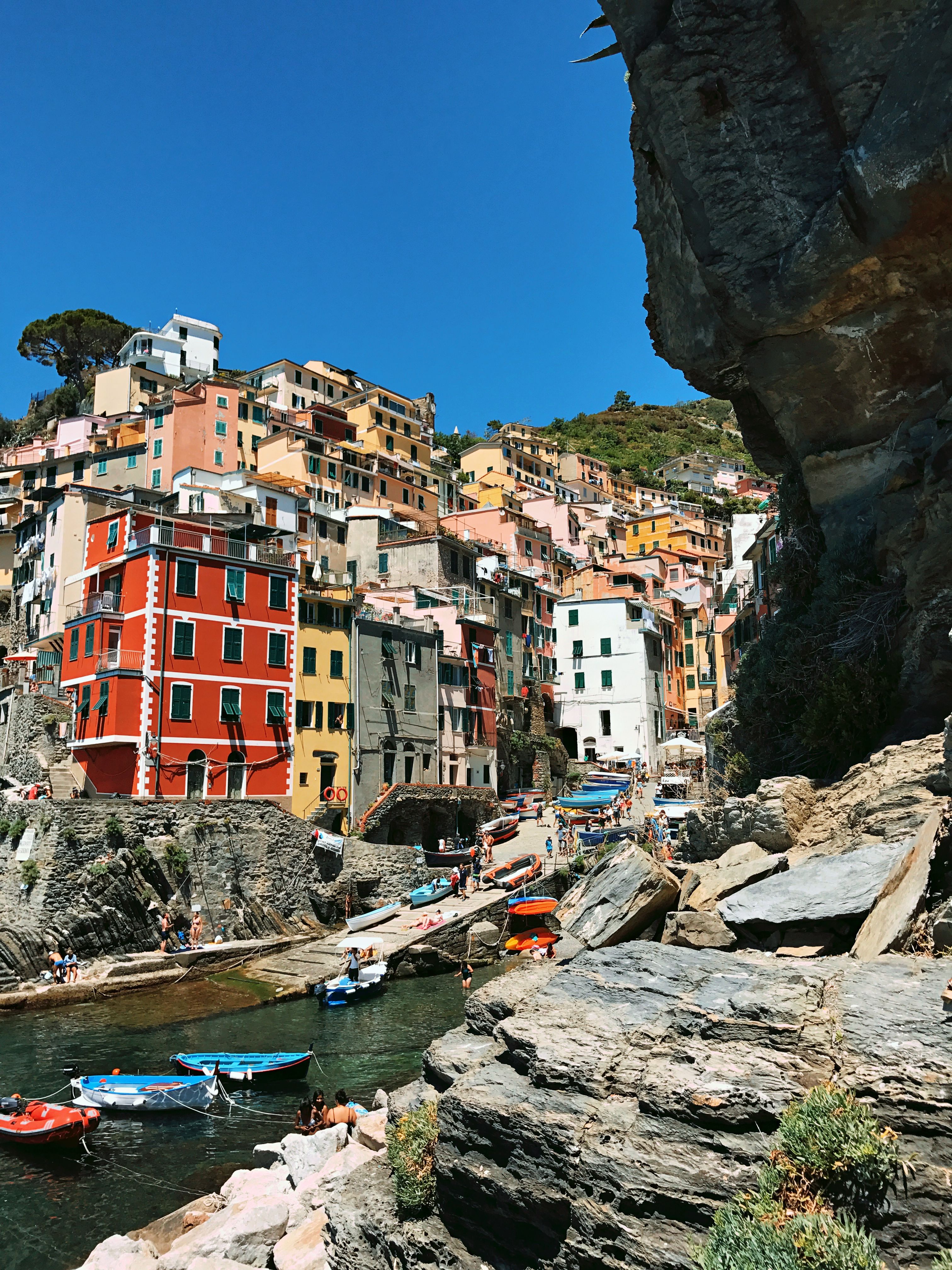
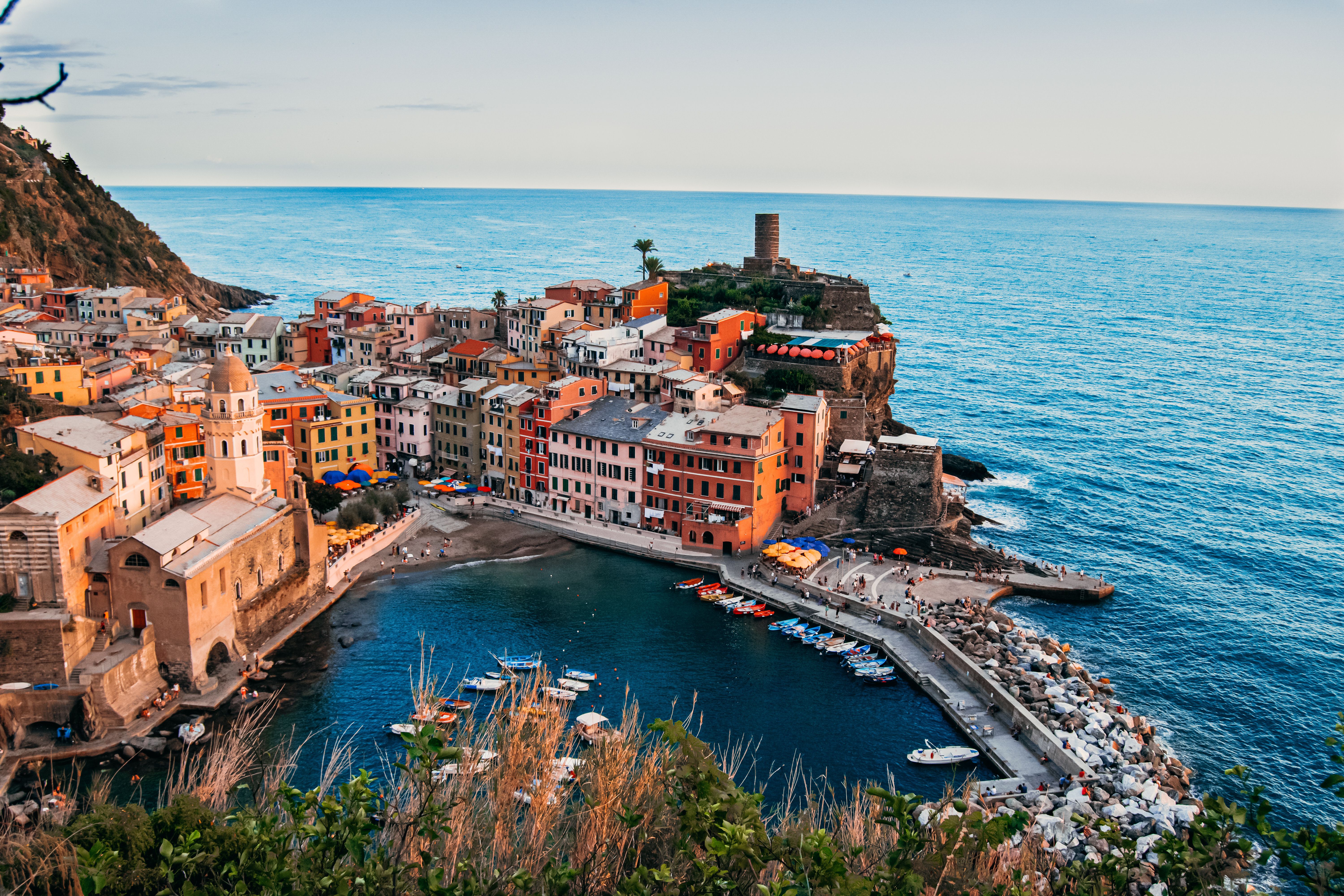
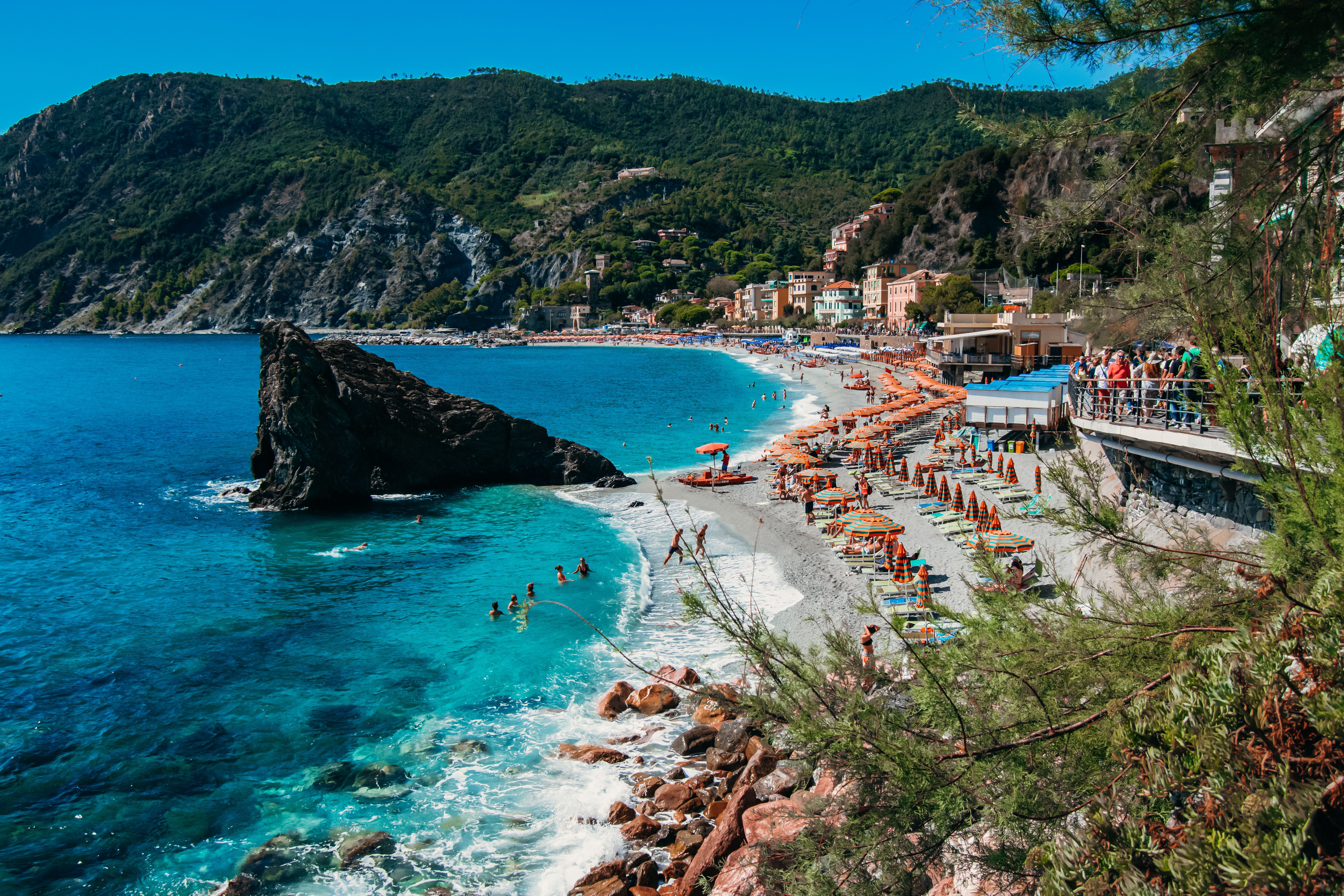
The Cinque Terre are often described as a natural paradise. The scenery is extraordinary, but “untouched” is the wrong word. UNESCO recognises the coast between the Cinque Terre and Portovenere as a cultural landscape: a place shaped by the continuous interaction of people and difficult terrain.
Across roughly 15 kilometres of steep Ligurian coast, generations built dry-stone terraces for vines and olive trees. Some cultivation rises hundreds of metres above sea level. The walls slowed erosion, created usable soil and turned slopes into a working landscape.
The railway changed access, not the terrain
Until the Genoa–La Spezia railway arrived in the 1870s, the area was reached mainly by sea and by paths. The train transformed movement and, much later, tourism. It did not make farming easy. Much of the work remains manual because machines cannot operate normally on these gradients.
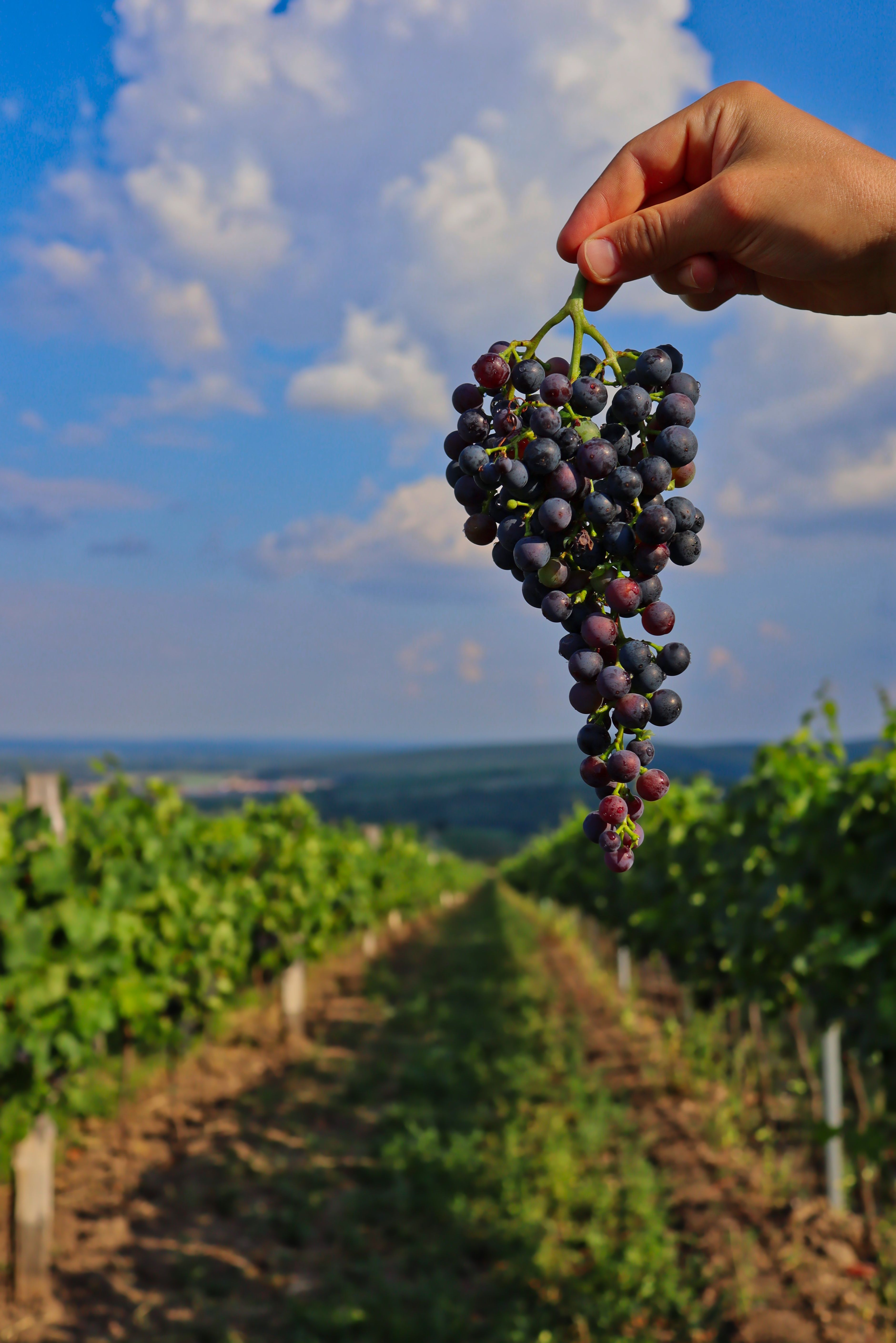
That is one reason local wine costs more than a mass-market bottle from flat land. The price contains carrying, maintenance and risk, not only grapes.
Tourism and maintenance are connected
A terrace that is no longer cultivated does not simply become wild in a harmless way. Walls need care, drainage needs attention and paths depend on the surrounding land. UNESCO notes the vulnerability of the agricultural system and the need to support the people who maintain it.
Visitors participate in this economy whether they notice or not. Choosing locally owned accommodation, booking a vineyard visit, buying directly from a producer and paying a fair price can keep more value in the landscape.
How to look differently
From the train, watch for horizontal lines cut into almost vertical slopes. On a path, notice how steps, walls and channels fit together. From a boat, compare the tiny size of each village with the enormous cultivated backdrop.
Do not enter private terraces for a photograph. Stay on marked paths, avoid sitting on fragile walls and never move stones. A dry-stone wall is engineering, not street furniture.
World Heritage is not a guarantee
The site joined the World Heritage List in 1997. Recognition brings visibility and protection, but it cannot replace daily labour. The most respectful way to visit is to understand that the famous view is still being made.
Sources
- UNESCO World Heritage Centre: whc.unesco.org/en/list/826
- Cinque Terre National Park trail network: www.parconazionale5terre.it/pagina.php?id=495
- Historic vineyards of Liguria: lamialiguria.it/en/2024/05/historic-vineyards-of-liguria/